
Optimal Timing for Tree Trimming
Tree trimmings are an essential part of maintaining healthy and attractive trees. Proper timing ensures that trimming promotes growth, reduces disease risk, and enhances safety around properties.
Late winter and early spring are generally considered the best times for trimming deciduous trees before new growth begins.
Trimming during these seasons can stimulate growth and flowering but should be done carefully to avoid stress on the tree.
Fall trimming is suitable for removing dead or diseased branches but should be avoided for shaping or heavy cuts that could weaken the tree.
Trimming during freezing weather can harm trees and should be avoided until temperatures rise.
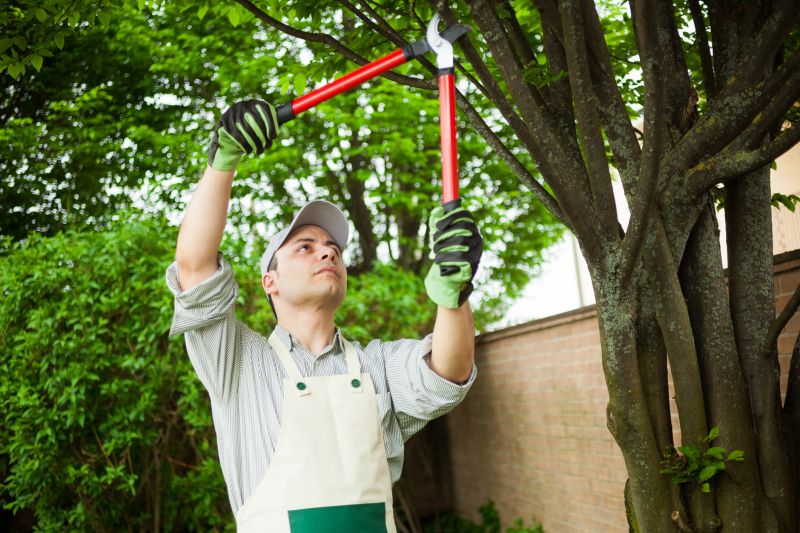
Pruning during dormancy helps prepare trees for vigorous growth in spring.
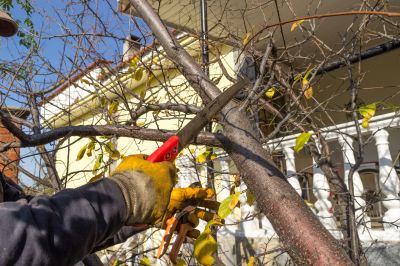
Encourages flowering and healthy development for the upcoming season.
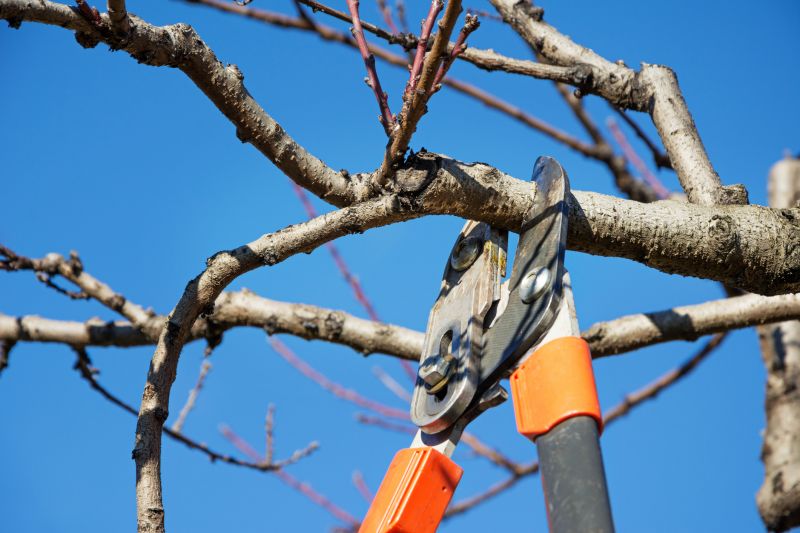
Supports growth and helps manage canopy size during the growing season.
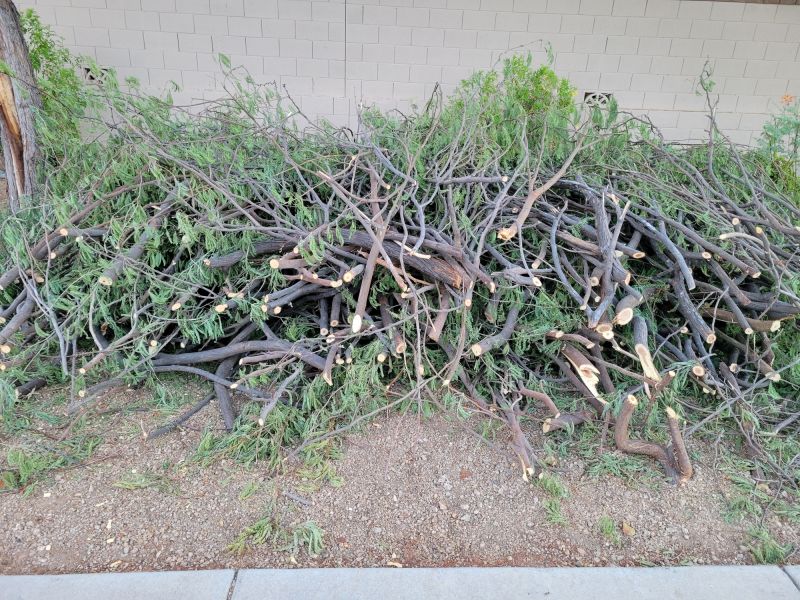
Ways to make Tree Trimmings work in tight or awkward layouts.
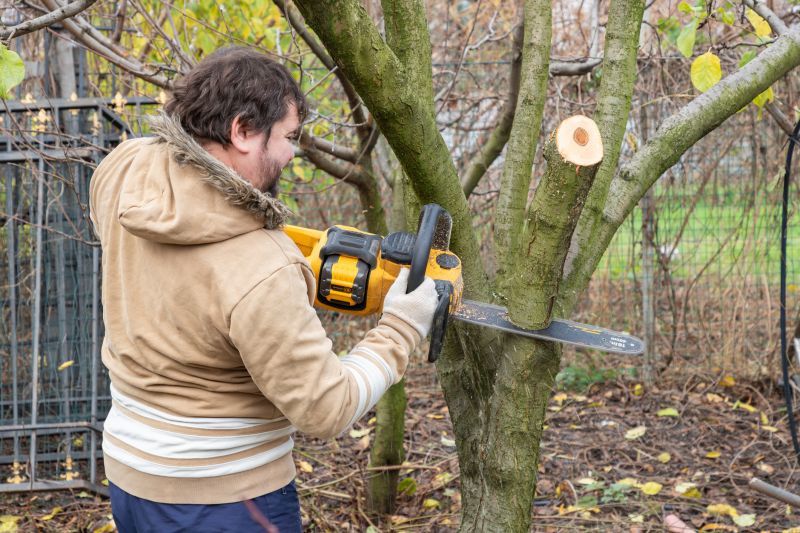
Popular materials for Tree Trimmings and why they hold up over time.
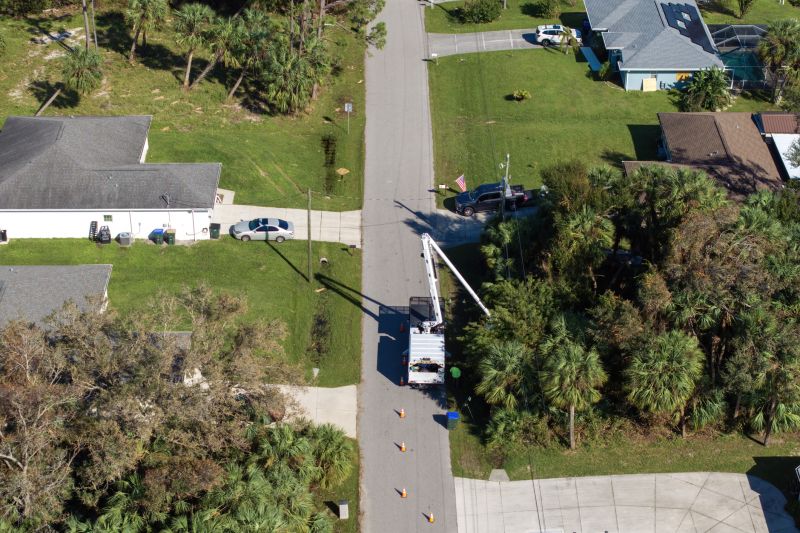
Simple add-ons that improve Tree Trimmings without blowing the budget.
| Season | Recommended Actions |
|---|---|
| Winter | Prune dormant trees to promote healthy growth. |
| Spring | Perform light trimming to shape and remove dead branches. |
| Summer | Support growth and manage canopy. |
| Fall | Remove dead or diseased branches before winter. |
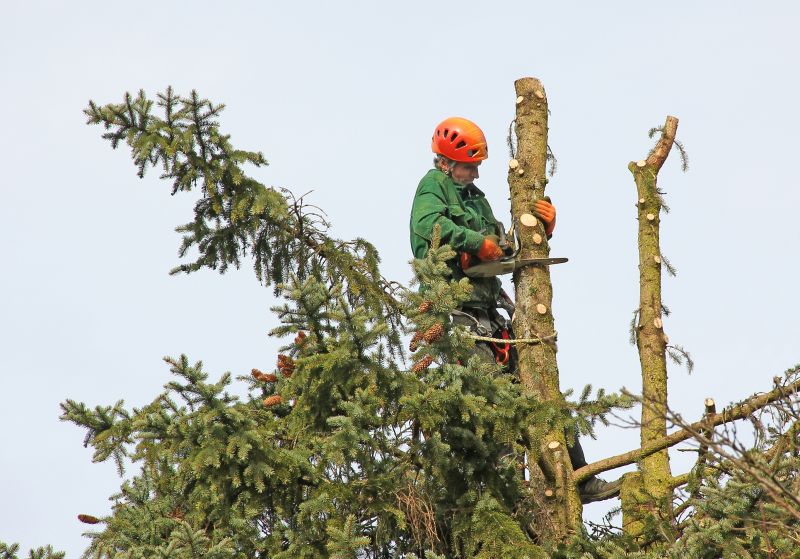
Proper timing enhances tree health and safety.
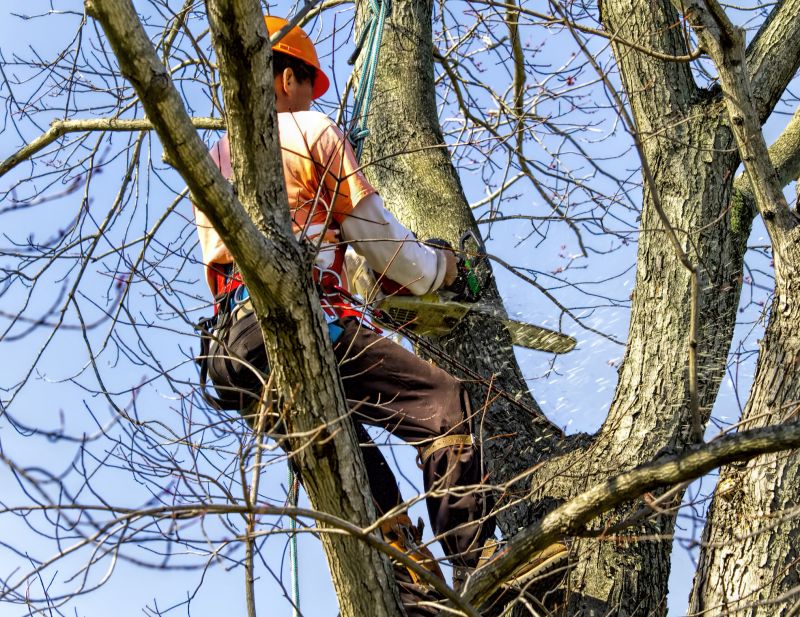
Adjust trimming schedules based on seasonal needs.
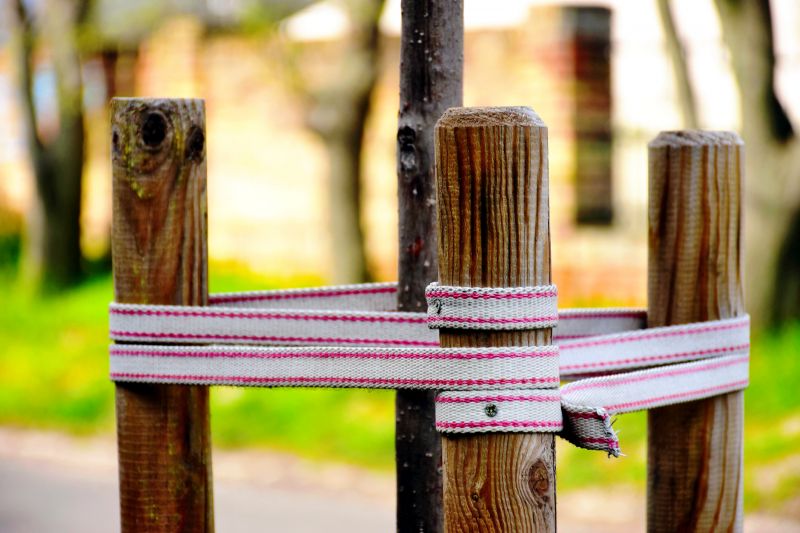
Timing supports optimal growth and flowering.
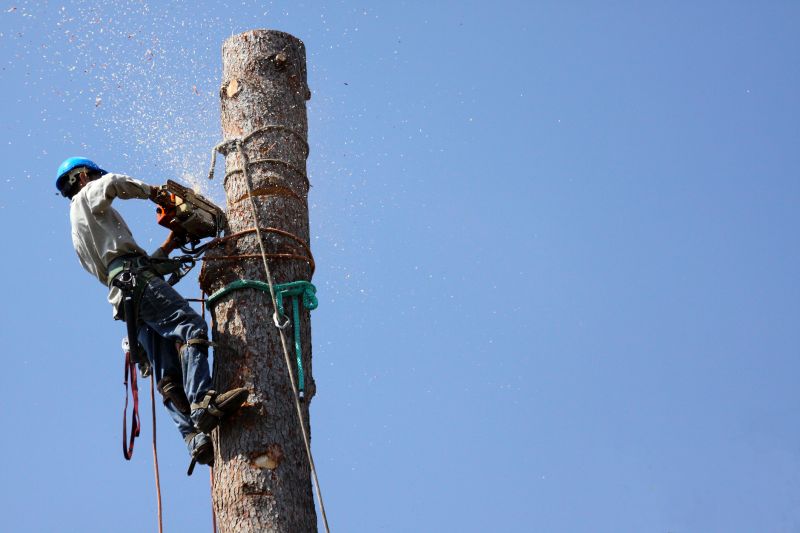
Regular trimming reduces hazards and enhances appearance.
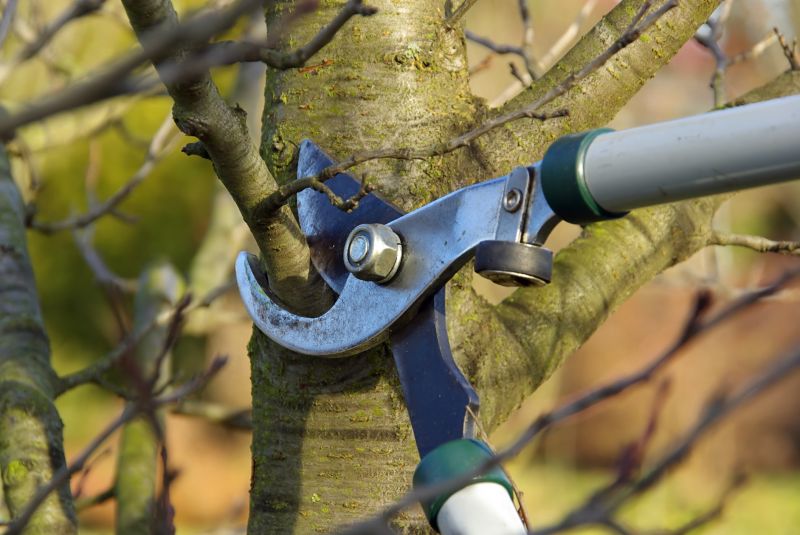
High-end options that actually feel worth it for Tree Trimmings.

Finishes and colors that play nicely with Tree Trimmings.

Little measurements that prevent headaches on Tree Trimmings day.
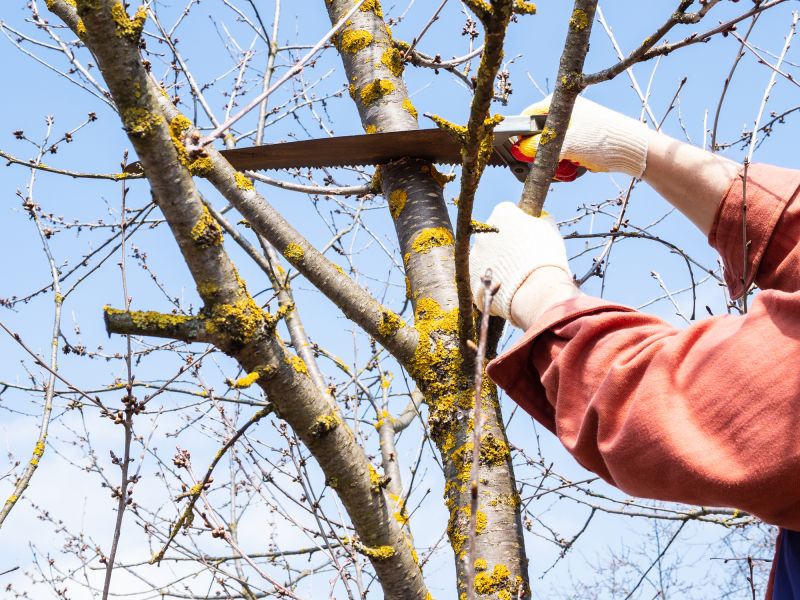
A 60-second routine that keeps Tree Trimmings looking new.
Interested in scheduling tree trimmings? Filling out the contact form can provide more information and assistance with timing and services available in Woodland Hills, CA.