
Cost of Tree Canopy Thinning in Woodland Hills, CA
Tree canopy thinning in Woodland Hills, CA, involves reducing the density or size of tree canopies to improve air circulation, sunlight penetration, or manage tree health. The final project costs can vary based on factors such as the extent of thinning required, the types of materials used, the labor involved, and specific site conditions. Understanding these variables can help in comparing different options and estimating potential expenses.
Pricing for tree canopy thinning projects typically depends on the scope of work and site-specific considerations. Larger or more complex jobs may incur higher costs due to increased labor and material needs. It is recommended to obtain detailed estimates that account for the unique characteristics of each site to better understand the range of potential costs for this service in Woodland Hills, CA.
Estimated Cost Range
$1,200 - $2,800 (smaller scope)
$3,000 - $6,500 (moderate scope)
$7,000 - $15,000 (larger scope)
$2,000 - $4,000 (partial thinning)
$4,500 - $10,000 (full canopy thinning)
| Project Type | Typical Range |
|---|---|
| Selective Thinning | $1,200 - $2,800 |
| Canopy Reduction | $3,000 - $6,500 |
| Complete Canopy Thinning | $7,000 - $15,000 |
| Partial Thinning | $2,000 - $4,000 |
| Multiple Tree Thinning | $4,500 - $10,000 |
| Urban Tree Thinning | $2,500 - $5,500 |
| Park Tree Thinning | $6,000 - $12,000 |
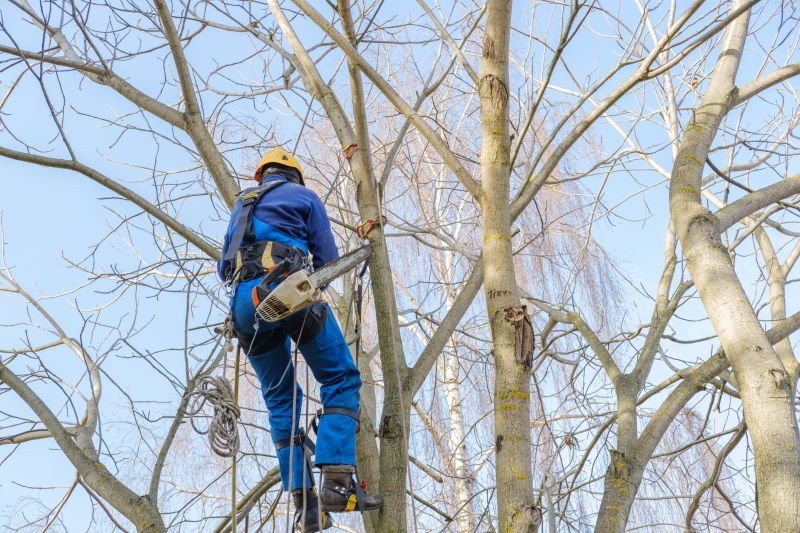
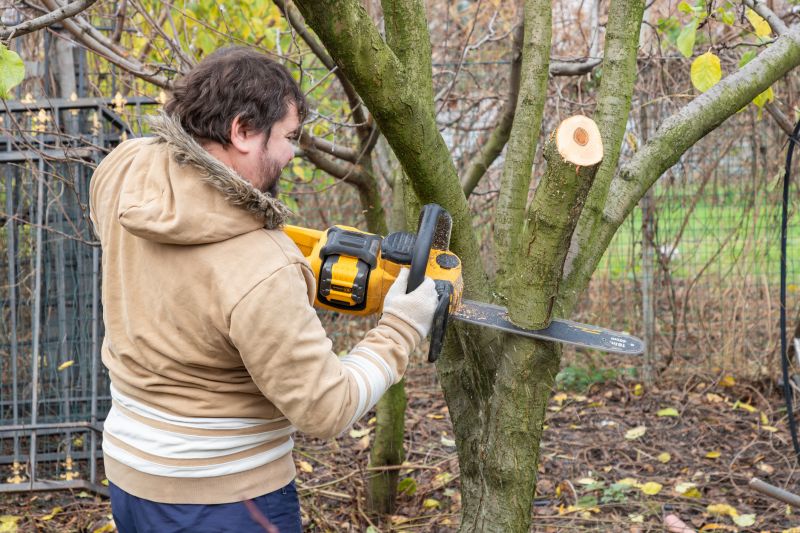
Tree size, canopy density, and access impact costs.
Tree canopy thinning in Woodland Hills, CA, involves selectively reducing the size or density of tree branches to improve sunlight penetration, reduce wind resistance, or manage tree health. Understanding typical project considerations can help in planning and budgeting for such services.
- Materials: Usually involves pruning tools, pruning shears, saws, and safety equipment; no specialized materials are typically required.
- Size and Scope: Ranges from light thinning of small to medium-sized trees to more extensive work on larger canopy trees, depending on the desired outcome.
- Labor Complexity: Generally moderate; skilled pruning techniques are needed to ensure proper canopy reduction without damaging the tree.
- Permitting: May require local permits if the work involves significant tree removal or if the tree is protected by local regulations.
- Extras: Additional services can include debris removal, stump grinding, or health assessments, which may influence overall project costs.
Project scope depends on tree number and area.
| Scope/Size | Typical Range |
|---|---|
| Light Thinning (selective removal of branches or small limbs) | 10-20% canopy reduction |
| Moderate Thinning (removal of larger branches to open canopy) | 20-35% canopy reduction |
| Heavy Thinning (significant reduction to improve health or clearance) | 35-50% canopy reduction |
| Complete Crown Reduction (reducing overall height and spread) | 50% or more, often involving multiple sessions |
In Woodland Hills, CA, canopy thinning should consider local tree species and urban conditions to maintain tree health and neighborhood aesthetics.